


Where to Stay in Dublin on a Budget — A Local’s Guide
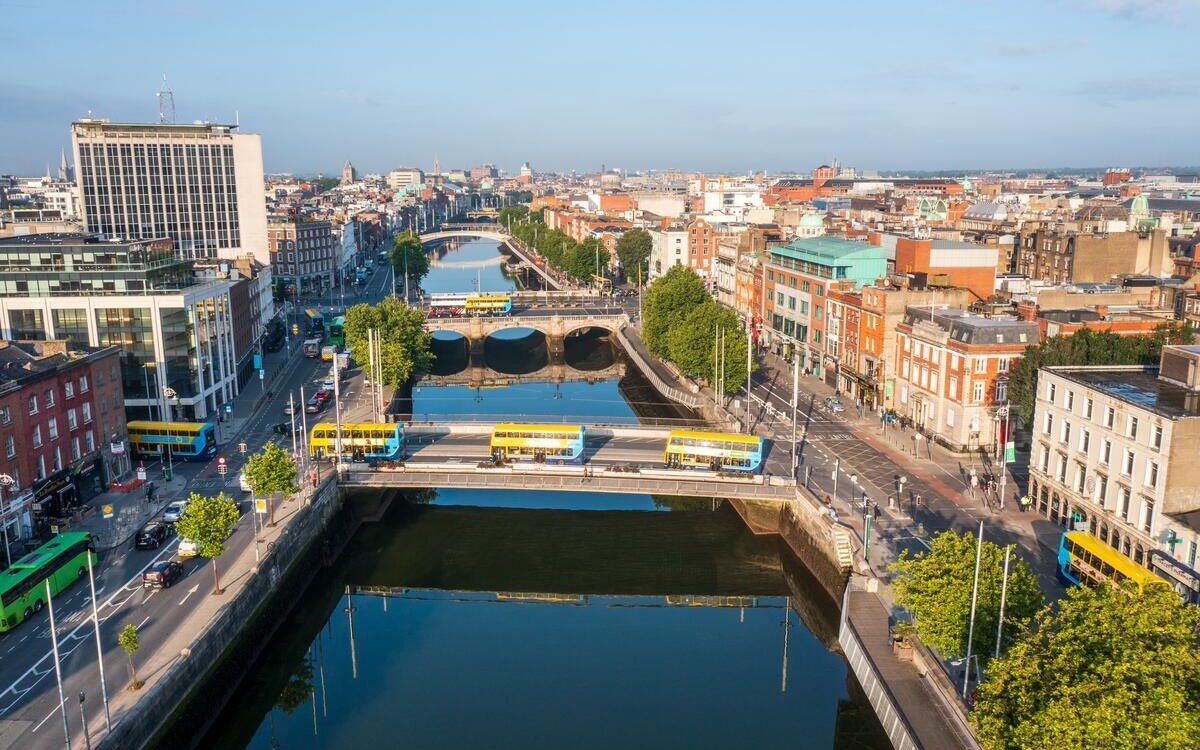
Dublin is not a cheap city — anyone who has priced a hotel room in the city centre knows that. But staying central does not have to mean spending a fortune. The trick is knowing where to look, when to book, and what type of accommodation gives you the best value for money.
If you are planning a trip to Dublin and want to stay somewhere central, comfortable, and affordable, this guide covers everything you need to know.
Why Choose a Guesthouse or B&B in Dublin?
Dublin’s guesthouses and B&Bs are one of the city’s best-kept secrets when it comes to value. They sit in the sweet spot between budget hostels and expensive chain hotels — and in many cases, the experience is better than both.
Here is why guesthouses and B&Bs make sense for Dublin:
Personal service. You are staying in a smaller property where the people running it actually know your name. Need a restaurant recommendation? A tip on avoiding queues at the Guinness Storehouse? You will get better local advice from a guesthouse owner than from a hotel concierge reading a script.
Character. Many of Dublin’s guesthouses are in Georgian townhouses — the kind of buildings with high ceilings, period features, and a sense of place that you simply do not get in a modern hotel. You are staying in a piece of Dublin’s architectural history.
Location. Dublin’s guesthouses tend to be in residential neighbourhoods rather than tourist strips. That often means quieter streets, better local restaurants nearby, and a more genuine experience of the city.
Value. Room rates are typically 20-40% less than comparable hotel rooms in the same area, and many offer breakfast as an option — a cooked breakfast can keep you going until late afternoon, saving you the cost of lunch.
Best Areas to Stay in Dublin on a Budget
If you want to stay central without overpaying, Dublin 2 — specifically the area around Harcourt Street, Camden Street, and St Stephen’s Green — is the smart choice.
Here is why this area works so well:
It is genuinely central. Grafton Street is a 5-minute walk. St Stephen’s Green is on your doorstep. Temple Bar is 10 minutes on foot. You can reach almost everything in Dublin city centre without ever needing a bus or taxi.
The food scene is excellent. Camden Street and Wexford Street have become Dublin’s most interesting dining strip — independent restaurants, wine bars, and cafés that locals actually go to, at prices well below the Temple Bar tourist zone.
Transport connections are superb. The Luas Green Line runs right along Harcourt Street, connecting you to the suburbs, Dundrum, and interchange points for the rest of the city. Several Dublin Bus routes pass through too.
Albany House sits right on Harcourt Street — a Georgian bed and breakfast in Dublin 2 with the Luas stop practically at the front door. It is the kind of location where you can walk to everything during the day and still be on a quiet, leafy street at night.
What to Expect at a Dublin Guesthouse
If you have never stayed in a Dublin city centre guesthouse, here is what the experience is like.
The building. Expect a Georgian townhouse — typically 3-4 storeys, with a period exterior and modernised rooms inside. At Albany House, the original Georgian character has been kept (high ceilings, sash windows, period cornicing) while the rooms have been individually styled with modern bathrooms, quality bedding, and everything you need for a comfortable stay. The building also has a lift for easy access to all floors.
Breakfast. Most Dublin guesthouses offer breakfast as an option. At Albany House, a freshly prepared continental breakfast is available each morning — a proper start to the day before you head out to explore.
Check-in. Guesthouse check-in tends to be more personal than a hotel. You are greeted by someone who knows the property and the area, and who can point you in the right direction for whatever you are looking for.
For practical details and common questions, see our FAQ page.
How to Save Money in Dublin
Beyond choosing the right accommodation, here are practical ways to keep costs down during your Dublin trip.
Book direct. Guesthouses and B&Bs almost always offer the best rate on their own website. Booking through third-party sites often costs more due to commission fees. At Albany House, booking direct gives you the best available rate plus direct access to our team for special requests.
Visit in shoulder season. April, May, September, and October offer the best balance of good weather, fewer crowds, and lower accommodation prices. Dublin is beautiful in autumn, and spring has the advantage of longer evenings without the summer premium. For ideas on what is happening, see our guide to things to do in Dublin this spring.
Use a Leap Card. If you are using public transport, a Leap Card gives you discounted fares on the Luas, Dublin Bus, and DART. Buy one at any Spar or newsagent — it pays for itself within a few journeys.
Take advantage of free attractions. Dublin has an extraordinary number of free things to do: the National Gallery, the National Museum, the Chester Beatty Library, Phoenix Park, St Stephen’s Green, and the Hugh Lane Gallery are all free. A walking tour of the city centre costs nothing but your time.
Eat where locals eat. Avoid the tourist-priced restaurants around Temple Bar. Camden Street, Wexford Street, and the areas around George’s Street Arcade offer much better value — and better food. Lunch specials and early bird menus are common across Dublin restaurants.
Walk everywhere in the centre. Dublin city centre is compact. Almost everything you want to see is within a 20-minute walk of Harcourt Street. Save the transport budget for day trips to Howth, Dalkey, or Glendalough.
Getting Around Dublin
Dublin is a walkable city, especially if you are staying in the Dublin 2 area.
On foot. From Harcourt Street, you can walk to Grafton Street in 5 minutes, Temple Bar in 10, Trinity College in 8, and the Guinness Storehouse in about 20. Most visitors find they barely need transport within the city centre.
Luas. The Green Line tram runs along Harcourt Street — the stop is right outside Albany House. It connects southward to Dundrum and northward to O’Connell Street and the Northside. Trams run every 4-8 minutes during the day.
Dublin Bus. Multiple routes pass along Harcourt Street and the surrounding streets. Useful for reaching areas outside walking distance.
DART. The coastal rail line is the best way to reach seaside villages like Howth and Dalkey for a half-day trip. Connolly Station and Tara Street Station are both reachable by Luas or a short walk.
Stay Central, Spend Smart
Dublin does not have to be expensive if you make the right choices. A guesthouse in Dublin city centre gives you a central location, personal service, and genuine character — at a fraction of the cost of a city-centre hotel.
Albany House puts you on Harcourt Street in the heart of Dublin 2, with the Luas at your door, Grafton Street around the corner, and everything the city has to offer within walking distance. Book direct for the best available rate.


